Roofs are one of the hardest parts of a property to inspect properly. Ground-level viewing only shows you certain angles, and access equipment like ladders or scaffolding can be slow, costly, and not always necessary just to have a look. A drone gives a safe, efficient way to see roof areas clearly — but it's worth understanding what that inspection can and can't tell you.
What a drone roof inspection can identify
- Visible surface condition — missing, slipped or damaged tiles and slates, visible cracking, and general wear.
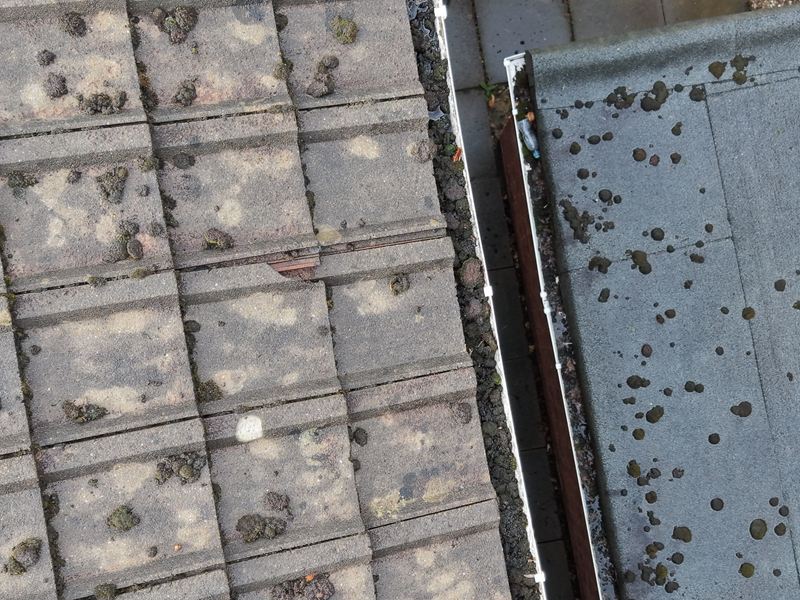
- Moss and debris build-up on roof surfaces and in valleys or gutters.
- Visible flashing issues around chimneys, joints and roof penetrations.
- General condition of chimneys and elevated features that are difficult to see from the ground.
- Clear photographic evidence you can keep on file, refer back to, or share with contractors.
What it doesn't replace
A drone inspection is a visual inspection. It provides condition observations and photographic evidence — it does not replace a structural survey, and it can't identify issues that aren't visible from the outside, such as problems with roof timbers, insulation, or ventilation inside the roof space. Where a finding suggests something more serious, the right next step is a referral to an appropriately qualified specialist.
When it's most useful
- Before buying a property, as a supplement to (not a replacement for) a formal survey.
- After a storm, to check for obvious visible damage.
- As part of routine maintenance, to catch small issues before they become bigger ones.
- Alongside a Roof Inspection or Gutter Inspection, for a fuller picture in one visit.
Every drone flight is carried out under commercial drone insurance through FPV UK, so there's no risk to you or your property while the inspection takes place.
See our Drone Inspection service for more detail.